Metaphysics
-
Id Quo or Id Quod: The Early Albertus Magnus on the Function of the Intelligible Species
For those generally familiar with Aquinas’s thought, it is well known that St. Thomas, along with many of his contemporaries, adheres to a species-model of cognition, according to which an item called a species (sensible or intelligible) plays a central role in the mechanism of cognition. A species is supposed to play a sort of…

-
Albert the Great’s Argument for a First Intellect
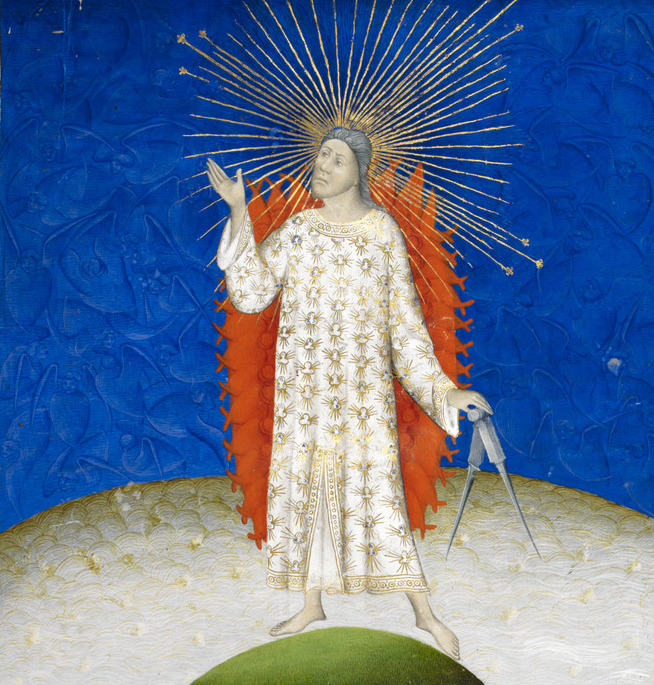
One of the first things St. Albertus Magnus does in his treatise De Intellectu et Intelligibili is argue that there is a “first intellect” or “first knower” that is the cause of all cognitive beings. I translate the entire chapter where the argument is presented here: De Intellectu et Intelligibili: Book I, Tractate I, Chapter…
-
Translation: John of la Rochelle, Summa de Anima, Prologue and I.I.1
The Summa de Anima of the Teacher Brother Johannes de Rupella [John of la Rochelle] Prologue “If thou know not thyself, O fairest among women, go forth, and follow after the steps of the flocks” etc. [Cant. 1:7]. This word is proposed to you, rational soul, you who are the fairest (pulcherrima) of women, since…
-
Origin Essentialism in St. Albert the Great
Came across the following passage from St. Albert’s De Universalibus which expresses a position in the neighborhood of something akin to origin essentialism or the necessity of origins: But the proper (proprium) or the singular (singulare) is what is imposed from an accidental form signifying a collection of accidents, which it is not possible to…

-
Translatio: Scotus’s Lectura Proof of the Existence of God
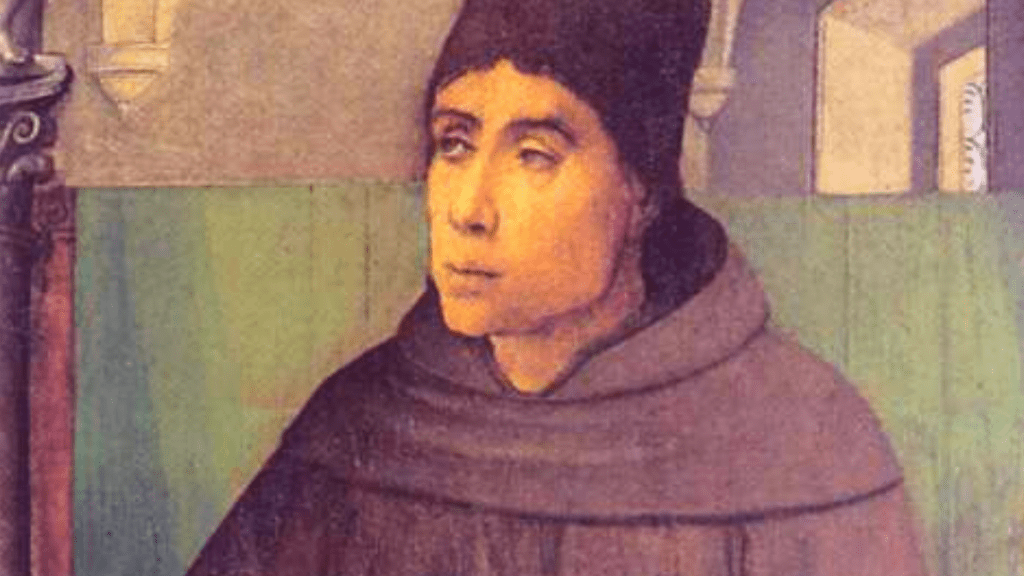
[Preliminary notes: 1. The translation below is at times extremely wooden and clunky; this is because I have tried to translate as literally as possible. For clarification on a particular phrase or section, leave a comment below. 2. In the text, Scotus first gives the pro et contra arguments for Question 1, then the same…
-
Are the Existential Acts of Created Beings Pure Act?
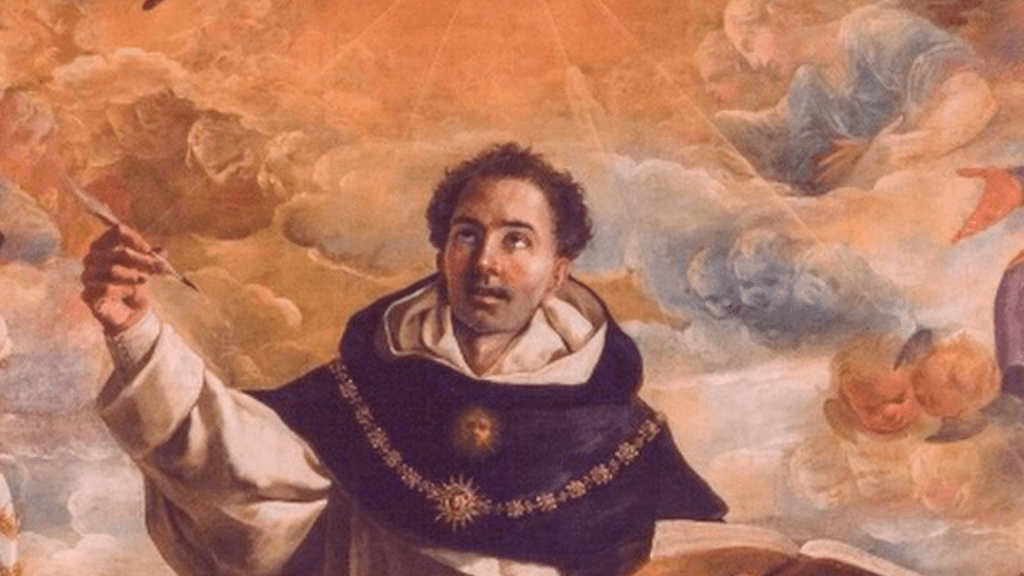
According to the Thomistic picture, individual created beings are compositions of essence and existential act (esse). The essence stands as potency to the esse which actuates it, resulting in an existing substance. In a paper I am working on and conferencing, I have made the point that the esse of finite (created) beings contains no…
-
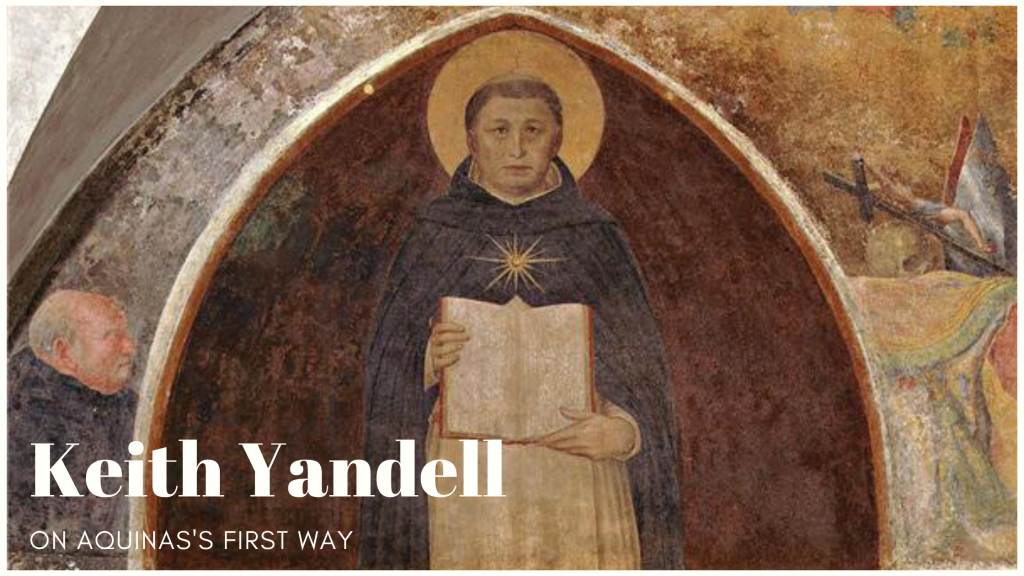
Yandell’s Presentation and Analysis of the First Way
Keith E. Yandell was a respected philosopher at the University of Wisconsin-Madison, retiring in 2011. He specialized in the philosophy of religion, and wrote the philosophy of religion volume for the Routledge Contemporary Introductions to Philosophy series (which I highly recommend). In that volume, he included a chapter on arguments for monotheism, and spent a…
 Disputed Questions