-
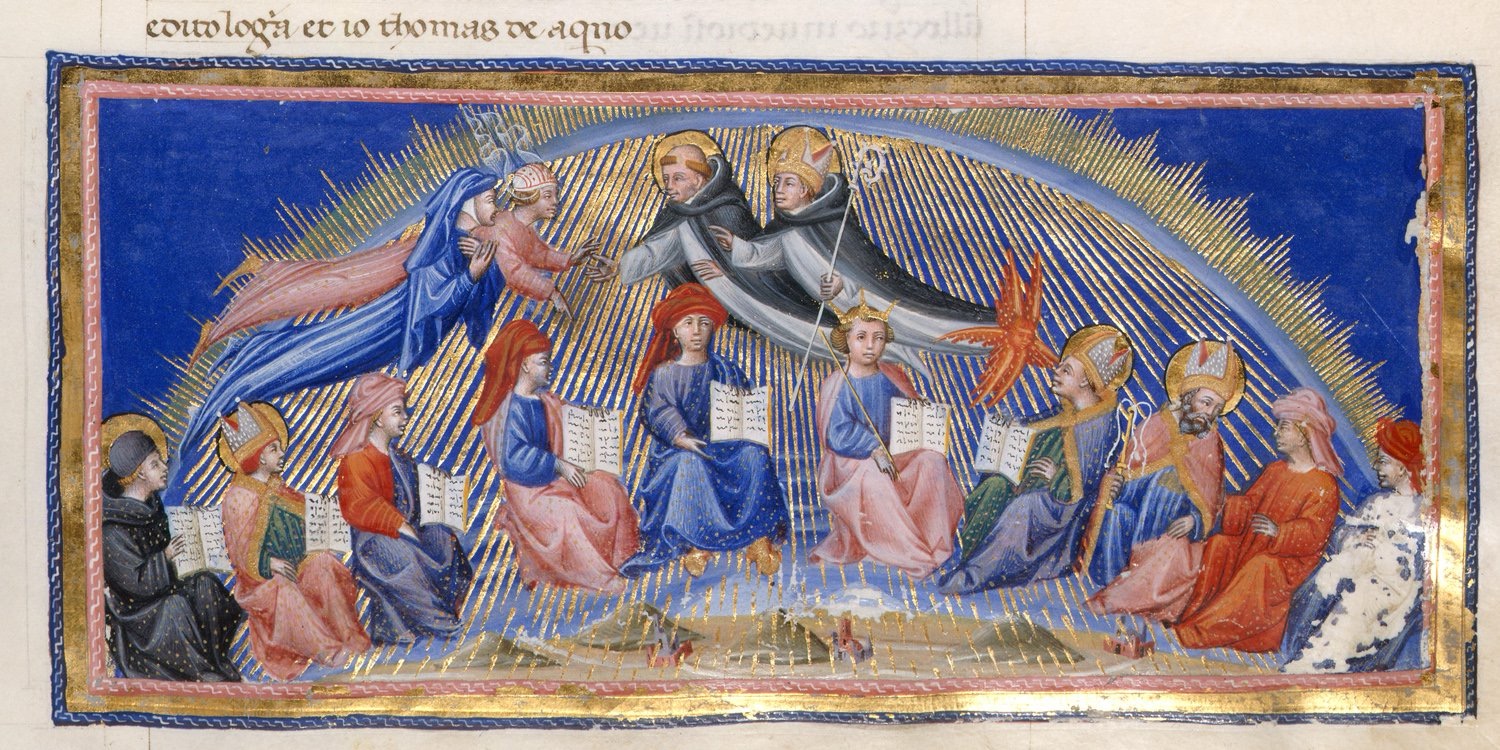
Aquinas’s Case for Apostolic Succession (and the Papacy)
Read more: Aquinas’s Case for Apostolic Succession (and the Papacy)In the fourth book of his Summa contra Gentiles (SCG), St. Thomas Aquinas considers the sacraments of the Church as extensions and instruments of Christ’s incarnation and redemptive acts. The sacraments are the means by which we participate in Christ’s incarnation, passion, death, resurrection: “Since . . . the death of Christ is as a universal…

-
St. Albert the Great on whether God would have become man, if man had not sinned
Read more: St. Albert the Great on whether God would have become man, if man had not sinnedThere is a famous controversy between St. Thomas Aquinas and Bl. John Duns Scotus on the question of whether God would have still become man, if man had not sinned/fallen. Bl. Scotus says yes, for reasons having to do with his theory of the Primacy of Christ; St. Thomas gives a cautious “no,” because he…
-
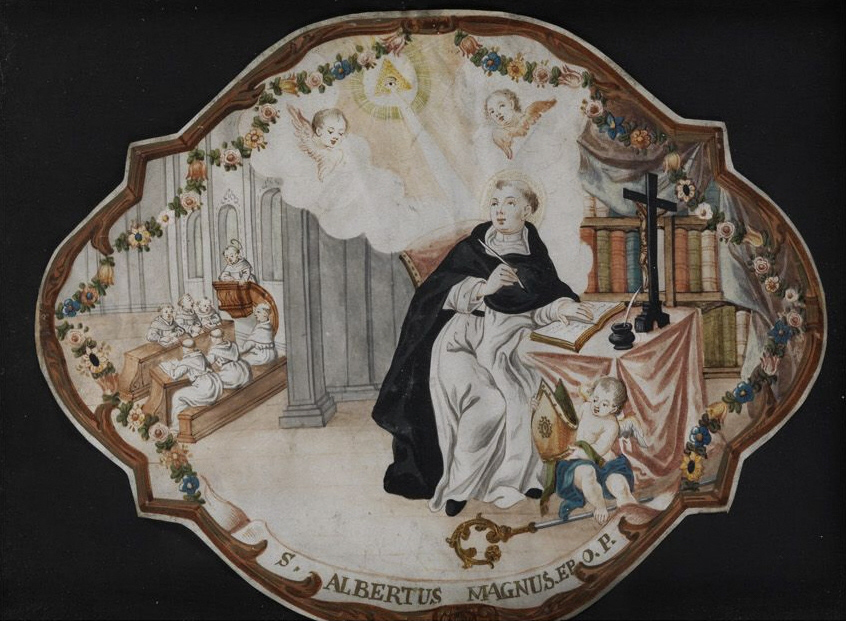
Id Quo or Id Quod: The Early Albertus Magnus on the Function of the Intelligible Species
Read more: Id Quo or Id Quod: The Early Albertus Magnus on the Function of the Intelligible SpeciesFor those generally familiar with Aquinas’s thought, it is well known that St. Thomas, along with many of his contemporaries, adheres to a species-model of cognition, according to which an item called a species (sensible or intelligible) plays a central role in the mechanism of cognition. A species is supposed to play a sort of…

-
Albert the Great’s Argument for a First Intellect
Read more: Albert the Great’s Argument for a First IntellectOne of the first things St. Albertus Magnus does in his treatise De Intellectu et Intelligibili is argue that there is a “first intellect” or “first knower” that is the cause of all cognitive beings. I translate the entire chapter where the argument is presented here: De Intellectu et Intelligibili: Book I, Tractate I, Chapter…
-
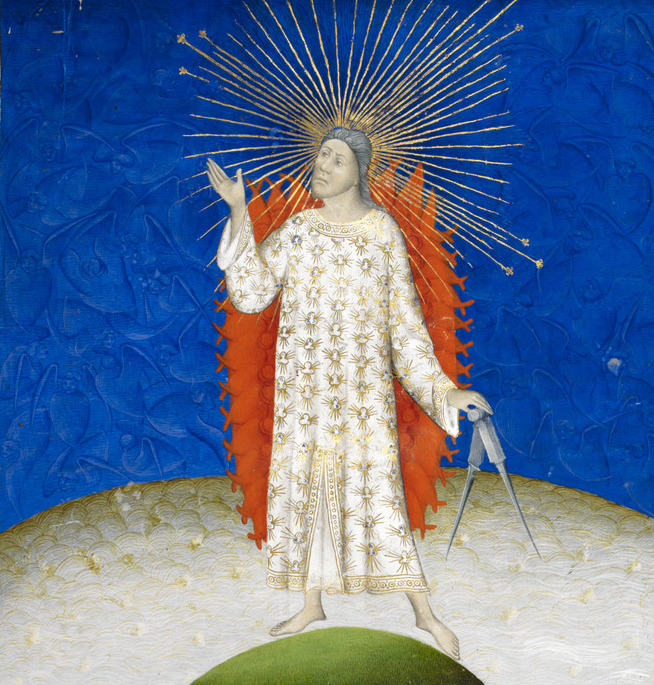
Personal Update: Dissertation Prospectus: Albert the Great’s Metaphysics of Mind/Cognition
Read more: Personal Update: Dissertation Prospectus: Albert the Great’s Metaphysics of Mind/CognitionToday my dissertation prospectus was officially passed. The dissertation topic is Albert the Great’s metaphysics of mind/cognition. The central focus is on how Albert’s distinctive metaphysics of esse, forms, and formal causation influence his overall cognition theory. The tentative outline of chapters is as follows: I’m writing under Tom Ward, with Tom Hibbs and Alex…

-
Translation: John of la Rochelle, Summa de Anima, Prologue and I.I.1
Read more: Translation: John of la Rochelle, Summa de Anima, Prologue and I.I.1The Summa de Anima of the Teacher Brother Johannes de Rupella [John of la Rochelle] Prologue “If thou know not thyself, O fairest among women, go forth, and follow after the steps of the flocks” etc. [Cant. 1:7]. This word is proposed to you, rational soul, you who are the fairest (pulcherrima) of women, since…

-
Origin Essentialism in St. Albert the Great
Read more: Origin Essentialism in St. Albert the GreatCame across the following passage from St. Albert’s De Universalibus which expresses a position in the neighborhood of something akin to origin essentialism or the necessity of origins: But the proper (proprium) or the singular (singulare) is what is imposed from an accidental form signifying a collection of accidents, which it is not possible to…

-
Translatio: St. Albertus Magnus, Super Porphyrium De V universalibus, I.I.1
Read more: Translatio: St. Albertus Magnus, Super Porphyrium De V universalibus, I.I.1Begins the Logic [Books] of Brother Albert, O. P., when Bishop of Ratisbon Book I: On the Universals Tractate I: On the Antecedents to Logic Chapter 1. Whether Logic is a Special Science? In dealings [intendentibus] about logic, it is to be considered first what sort of science logic is and whether it is some…

-
Translatio: St. Albertus Magnus, Summa Theologiae, Book I Prologue
Read more: Translatio: St. Albertus Magnus, Summa Theologiae, Book I PrologueBegins the first book on the mystery of the Trinity and Unity according to Brother Albert, professed of the Order of Preachers, once bishop of Ratisbon. “Thy knowledge is become wonderful to me: it is high, and I cannot reach to it” [1]. In this authority six things are noted, in which the science of…
-
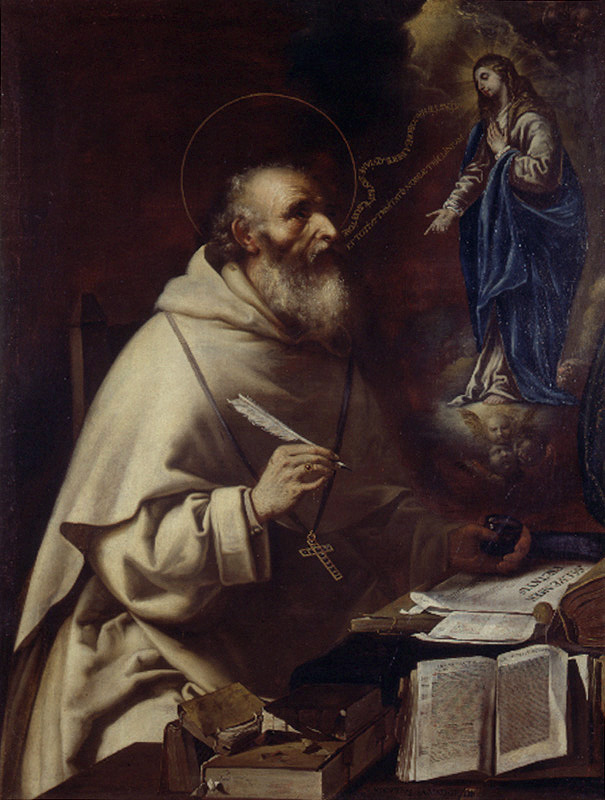
A Simple Argument for a First Cause from St. Albertus Magnus
Read more: A Simple Argument for a First Cause from St. Albertus MagnusIn Peter Lombard’s Sentences, Book I, Distinction III, the Magister considers how God can be known from creatures. Later commentators will take the opportunity in their comments on this section to present arguments for the existence of God. St. Albertus Magnus reads the Lombard as providing four reasons “for proving that God exists, and is…

 Disputed Questions